
You ate breakfast. You had your coffee. You are not particularly stressed and you slept reasonably well. So why are you exhausted by 11am? The answer might be the foods that drain your energy — and most of them are ones you eat every single day without suspecting them.
If you regularly wake up tired before the day even begins, our guide on 7 real reasons you feel tired even after sleeping explains what else might be affecting your energy.
Most people think of food as fuel — the more you eat, the more energy you have. But certain foods do the opposite. They create the illusion of energy followed by a crash that leaves you more depleted than before you ate. And the most damaging ones are often the foods you consider healthy or harmless.
This article exposes the eight foods most likely to be secretly draining your energy throughout the day — and tells you exactly what to replace them with.
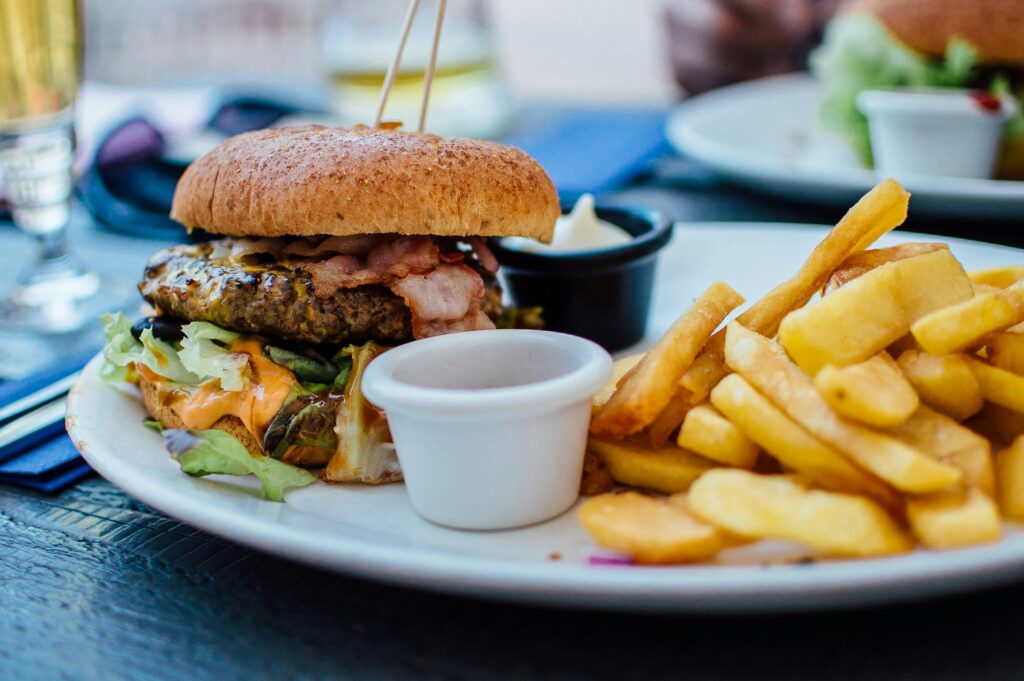
1. White Bread and Refined Carbohydrates
White bread, white rice, regular pasta, and most crackers are made from refined grains that have had their fiber and nutrients stripped away. What remains is essentially pure starch that your body converts to glucose almost immediately.
The result: a rapid blood sugar spike followed by an equally rapid crash. That post-lunch slump you experience most days? In many cases, the bread in your sandwich is responsible.
The spike feels like energy. The crash that follows — typically 60 to 90 minutes later — feels like exhaustion, difficulty concentrating, and an almost irresistible urge to sleep or reach for something sweet.
What to eat instead: whole grain bread, brown rice, or sweet potatoes. These digest slowly, releasing glucose steadily over several hours and maintaining consistent energy without the crash.
2. Sugary Breakfast Cereals
Breakfast cereals marketed as healthy — including many granola varieties, bran flakes, and anything with “whole grain” prominently displayed — frequently contain more sugar per serving than a chocolate bar.
Starting your day with a sugar spike sets up an energy rollercoaster for the entire morning. You feel alert and ready within thirty minutes. By mid-morning you are struggling to focus and craving more sugar to recreate the initial feeling.
This cycle — sugar spike, crash, crave, repeat — is one of the most common hidden causes of chronic low energy that people never connect to their breakfast.
What to eat instead: oats with nuts and fruit, eggs, or full-fat yogurt with seeds. These provide protein, healthy fats, and slow-release carbohydrates that sustain energy until lunch without a crash.
3. Energy Drinks
This one surprises people because energy drinks are literally marketed as energy. But the energy they provide is borrowed — and the interest rate is brutal.
Energy drinks work by flooding your system with caffeine and sugar simultaneously. The caffeine blocks adenosine receptors in your brain — adenosine is the chemical that makes you feel sleepy — creating a feeling of alertness. The sugar provides a rapid glucose spike.
The problem is what happens next. When the caffeine wears off, the adenosine that was being blocked floods back in — often more powerfully than before. The sugar crash compounds this. The result is a level of fatigue significantly worse than if you had not had the drink at all.
Regular energy drink consumption also disrupts your natural sleep architecture, meaning you sleep worse at night, feel more tired the next day, and reach for another energy drink — creating a dependency cycle that progressively worsens your baseline energy.
What to drink instead: water, green tea which provides caffeine with L-theanine for smooth sustained alertness, or black coffee in moderation before 2pm.
4. Fried and Ultra-Processed Foods
Fried foods and ultra-processed snacks — crisps, fast food, packaged pastries — are energy drains for two reasons.
First, they are extremely difficult to digest. Your body diverts significant blood flow to the digestive system after a heavy fried meal, leaving less available for your brain and muscles. This is the physiological explanation for the drowsiness you feel after a large fast food meal.
Second, they are nutritionally empty. Your body expends energy processing them but receives little in return — no vitamins, no minerals, no fiber, no nutrients that support energy production at the cellular level.
What to eat instead: when you want something satisfying and savory, nuts, hummus with vegetables, or a small portion of cheese provide genuine satiety without the digestive burden or energy crash.
5. Alcohol — Including the Previous Evening
Alcohol is included here because its energy-draining effects extend well beyond the night you consume it.
Even moderate alcohol consumption — two or three drinks the evening before — significantly disrupts sleep architecture. Specifically, it suppresses REM sleep, the stage of sleep most critical for cognitive restoration and energy recovery. You may sleep for eight hours after drinking and still wake feeling unrestored — because the quality of your sleep, not just the quantity, was compromised.
The next-day fatigue from even moderate alcohol is not imagined. It is the direct result of neurological sleep disruption.
What to do instead: if you drink socially, hydrate aggressively before bed and be honest with yourself about the quality of sleep and next-day energy you experience. Many people find that even modest reductions in alcohol consumption produce dramatic improvements in daily energy.
6. Low-Fat and Diet Products
Low-fat yogurts, diet drinks, reduced-fat snacks, and similar products are among the most misleading items in the supermarket when it comes to energy.
When manufacturers remove fat from a product, it tastes worse. To compensate, they typically add sugar, artificial sweeteners, or both. Low-fat flavored yogurts often contain more sugar than full-fat versions. Diet drinks, while calorie-free, contain artificial sweeteners that research increasingly links to disrupted gut bacteria — and gut health has a direct and significant relationship with energy levels and mood.
Additionally, fat is essential for energy. Healthy fats slow digestion, provide sustained caloric energy, and are required for the absorption of fat-soluble vitamins including vitamin D — deficiency of which is one of the most common causes of chronic fatigue.
What to eat instead: full-fat natural yogurt, whole eggs, avocado, nuts, and olive oil. These satisfy hunger for longer and provide the nutritional density that supports sustained energy.
7. Too Much Caffeine Too Late
Caffeine itself is not the problem — its timing and quantity are.
Caffeine has a half-life of five to six hours in most people, meaning half of the caffeine from a 4pm coffee is still active in your system at 10pm. This does not necessarily prevent you from falling asleep — but it does significantly impair the depth and quality of your sleep even when you are not aware of it.
The result is that you wake feeling less restored than you should, reach for more caffeine to compensate, consume it too late again, and perpetuate the cycle.
Research suggests cutting off caffeine by 1 to 2pm produces meaningful improvements in sleep quality and next-day energy for most people within one to two weeks.
What to drink instead in the afternoon: herbal teas, water with lemon, or decaffeinated options that satisfy the ritual without the sleep disruption.
8. Skipping Meals or Eating Too Infrequently
This is not a specific food but a pattern that drains energy as reliably as any item on this list.
When you go more than four to five hours without eating, blood glucose drops below the level needed for optimal brain function. Concentration deteriorates, mood drops, fatigue increases, and decision-making worsens — regardless of how much you ate at your last meal.
Many people skip breakfast to save time or lunch to save money, attributing their mid-morning or mid-afternoon exhaustion to stress, poor sleep, or simply being busy. In many cases, the primary cause is simply not having eaten recently enough.
What to do instead: eat regular meals or planned snacks every three to four hours. They do not need to be large — a handful of nuts and an apple between meals is enough to maintain blood glucose and sustain consistent energy throughout the day.
Dehydration also plays a major role in energy levels — discover why drinking water is not enough and what your body actually needs for real hydration.
The Pattern Behind All Eight Energy-Draining Foods
Looking at this list, a pattern emerges. Every food that drains energy does so through one of three mechanisms: causing rapid blood sugar spikes followed by crashes, disrupting sleep quality, or providing empty calories that require energy to process while delivering nothing useful in return.
Understanding this pattern helps you evaluate any food’s likely effect on your energy — not just the ones listed here.
The Bottom Line
The eight foods that drain your energy identified in this article share one thing in common — they all work against your body’s natural energy production systems.
Energy is not just about how much you sleep or how much you exercise. It is profoundly shaped by what you put in your body and when.
Eliminating or reducing just two or three items from this list — particularly refined carbohydrates, late caffeine, and sugary breakfast foods — produces noticeable improvements in sustained daily energy for most people within one to two weeks.
You do not need a complicated diet. You need to stop eating the things that are quietly working against you.