
Most advice about spending less boils down to one word: willpower. Just resist, just be disciplined, just say no. And that’s exactly why it fails. Here’s the surprising truth: if you want to stop impulse buying, willpower is almost the least useful tool you have, because impulse purchases aren’t really about weak self-control. They’re engineered. Once you understand how they actually work, you can stop them without gritting your teeth, and without feeling deprived at all. Let’s clear up what’s really going on.
The myth: “I just need more self-control”
The biggest misconception is that impulse buying is a personal failing, a sign you’re bad with money or lack discipline. In reality, an impulse purchase is an unplanned buy triggered in the moment by emotion or a well-crafted prompt, and entire industries are built around creating exactly that trigger.
Think about it: items placed at the checkout, “only 2 left in stock” warnings, countdown timers, one-tap buying, personalized ads that follow you around. None of that is accidental. You’re not failing to resist a neutral choice; you’re up against systems designed by experts to bypass your rational brain. So the real solution isn’t more willpower, it’s removing yourself from the triggers. That single reframe changes everything, because it turns an impossible battle of self-control into a simple matter of adjusting your environment.
The truth about “convenience”
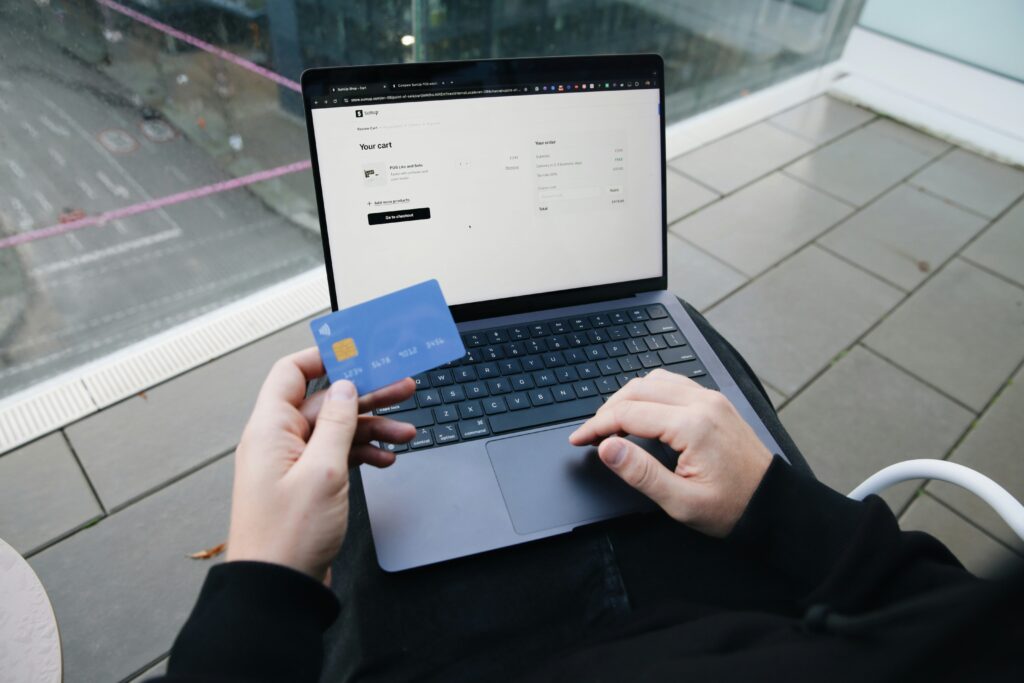
Retailers have quietly removed every bit of friction between your desire and your purchase. Saved payment details, one-click checkout, stored addresses, these feel like conveniences for you, but their real purpose is to let you buy before your rational mind catches up. The easier buying is, the more you do it. That’s not a coincidence; it’s the entire strategy.
So the fix is to deliberately add the friction back. Delete your saved card details from shopping apps and websites, so every purchase requires you to physically get up and fetch your card. Log out of shopping accounts. Remove shopping apps from your phone’s home screen. These sound trivial, but they work precisely because they reintroduce the pause that retailers spent years engineering away. Each small obstacle gives your rational brain a moment to ask, “Do I actually want this?”, and that moment is usually all it takes.
Why you’re really buying (it’s often not the item)
Here’s the surprising part most people miss: a large share of impulse buying isn’t about the product at all. It’s about a feeling. Boredom, stress, sadness, even celebration, all of these send people to their carts, because buying delivers a small, quick hit of pleasure that temporarily changes your mood.
That’s why the purchase so often disappoints once it arrives: you weren’t actually shopping for the item, you were shopping for the feeling. The fix isn’t to suppress the urge but to recognize it. Next time you feel a sudden urge to buy, pause and ask, “What am I feeling right now?” Simply naming the emotion, “I’m bored,” “I’m stressed”, weakens its grip and often dissolves the urge entirely, because you realize the thing in your cart won’t actually fix the feeling. This emotional layer is one of the sneakiest of the everyday patterns we cover in our guide on bad money habits you need to stop.
The “great deal” trap
This one is counterintuitive enough that it fools almost everyone: buying something you didn’t need because it’s on sale is not saving money, it’s spending money. A 50% discount on something you’d never have bought at full price means you spent 100% of that amount on something you didn’t need, not saved half.
Retailers know that the word “sale” and a slashed price short-circuit our judgment, making us feel smart for spending. The reframe is simple but powerful: a discount is only a saving if you were genuinely going to buy the item anyway. Otherwise it’s just a cleverly disguised prompt to spend. When a deal tempts you, ask, “Would I want this at full price?” If the answer is no, the discount is irrelevant, and walking away is the real saving. These small, disguised leaks add up faster than people expect, exactly the kind we trace in our guide on stopping the money leaks draining your account.
The one habit that beats them all: the pause
If you remember only one technique, make it this: impulse urges are intense but short-lived. The feeling that you *must* have something right now almost always fades within a day or two, if you give it the chance.
So install a waiting rule. For any non-essential purchase above a small amount, force yourself to wait 24 or 48 hours before buying. Add the item to a wishlist or a note, and revisit it after the pause. You’ll be amazed how often the urge has simply vanished, and when it hasn’t, you can buy it knowing it’s a genuine want, not a manufactured impulse. This single habit neutralizes nearly every trick in the retailer’s playbook, because every one of them depends on you acting *now*. Take away the “now,” and their power collapses.
Why this isn’t about deprivation
Here’s the reframe that makes all of this sustainable, and the reason willpower-based advice always fails: the goal is not to spend less on everything or to stop enjoying your money. It’s to stop spending mindlessly on things you don’t truly care about, so you have more to spend freely on the things you do.
When you cut the impulse purchases that you forget about a week later, you’re not depriving yourself, you’re redirecting money from things that didn’t matter to things that do. That might be a bigger purchase you genuinely want, a savings goal, or simply peace of mind. Spending intentionally feels like freedom, not restriction, which is exactly why it lasts when white-knuckle discipline doesn’t. Pairing this with a simple plan, like the one in our guide on making a monthly budget that works, makes the intentional spending effortless.
Try This for One Week
Don’t overhaul everything at once. For the next seven days, do just these three things:
Add friction: delete your saved payment details from one shopping app or site today.
Name the feeling: each time you feel an urge to buy something unplanned, pause and ask what emotion is behind it before doing anything.
Use the pause: put any non-essential item you want on a list and wait 48 hours before deciding.
At the end of the week, look at what you didn’t buy, and how little you actually miss any of it. That’s the whole lesson in one experience.
Final Word
You don’t stop impulse buying with willpower, you stop it by understanding that impulse purchases are engineered, and quietly dismantling the triggers. Add friction back, notice the feelings driving the urge, see through the “great deal” illusion, and pause before you buy. None of this is about deprivation; it’s about spending on purpose, so your money goes to what you actually value instead of what a checkout screen decided for you. Start with one change today, delete a saved card, and you’ve already taken back more control than any amount of willpower could give you.
This article is general educational information, not personalized financial advice.