
You already know you should drink more water. Every health article, every doctor, every wellness influencer repeats the same advice: drink eight glasses a day, stay hydrated, water is life. But here is what nobody tells you — drinking water is not enough. So you drink your water. And yet you still feel tired, your skin still looks dull, your muscles still cramp, and your energy still crashes in the afternoon.
If you regularly wake up tired despite sleeping enough, our guide on 7 real reasons you feel tired even after sleeping explains the other factors working against your recovery.
Here is what nobody tells you: water alone is not enough. Hydration is not simply about how much water you drink — it is about whether your body can actually use that water at the cellular level. And that depends on several factors that plain water cannot provide on its own.
This article explains why plain water sometimes fails to hydrate you properly, what your body actually needs alongside water, and the simple adjustments that make genuine hydration possible.
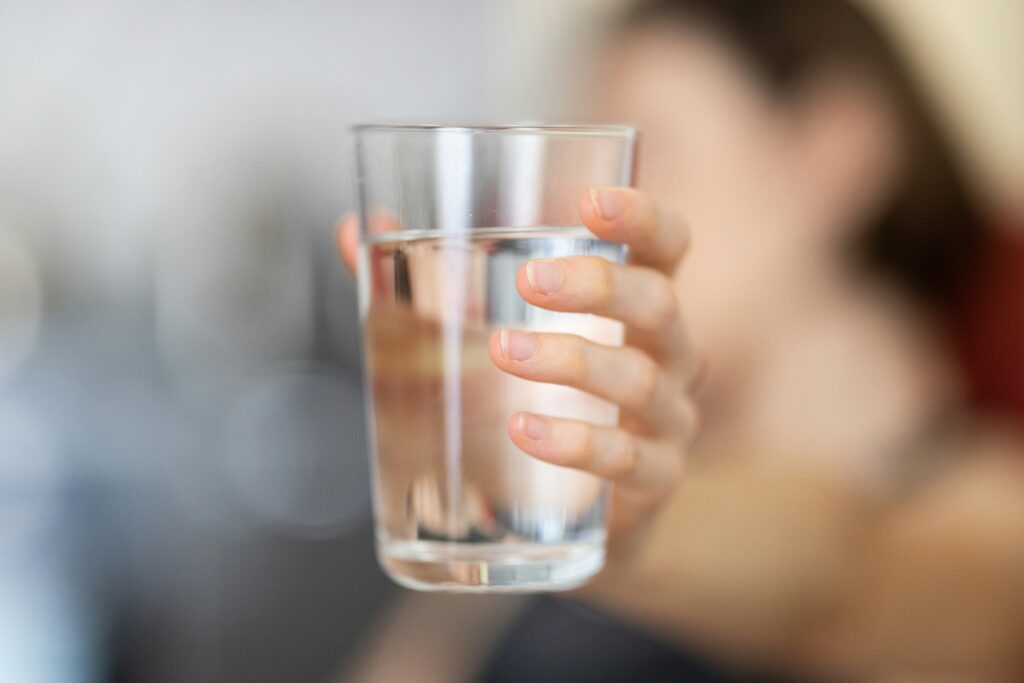
The Difference Between Drinking Water and Being Hydrated
These two things sound identical but they are not. Drinking water means consuming liquid. Being hydrated means your cells actually have the water they need to function — that water has crossed cell membranes, entered tissues, and is actively participating in the biological processes that keep you energized, focused, and healthy.
The gap between drinking water and being genuinely hydrated is where most people fall short — and it is caused by a combination of electrolyte deficiency, poor absorption, and timing.
What Water Actually Needs to Work
For water to hydrate you at the cellular level, it needs help. Specifically, it needs electrolytes. Electrolytes are minerals that carry an electrical charge — sodium, potassium, magnesium, calcium, and chloride are the most important. They regulate the movement of water in and out of cells through a process called osmosis. Without adequate electrolytes, water cannot efficiently cross cell membranes and enter the tissues that need it.
This is why you can drink large amounts of water and still feel dehydrated. If your electrolyte levels are low — which is extremely common, particularly in people who sweat regularly, drink a lot of plain water, eat a low-sodium diet, or consume significant caffeine or alcohol — the water you drink passes through your system without being fully absorbed at the cellular level.
The most critical electrolytes for hydration are sodium, which drives water into cells and is the electrolyte most commonly depleted through sweat; potassium, which works with sodium to regulate cellular fluid balance and is essential for muscle and nerve function; and magnesium, which is involved in over 300 biochemical processes and is one of the most commonly deficient minerals in modern diets.
5 Signs You Are Dehydrated Despite Drinking Water
If you regularly experience any of these, electrolyte deficiency rather than insufficient water intake may be the cause.
1. Persistent fatigue that does not improve with rest
Even mild cellular dehydration impairs mitochondrial function — the energy-producing structures inside your cells — producing fatigue that sleep and caffeine cannot resolve.
2. Muscle cramps, particularly at night
Nocturnal leg cramps are one of the most reliable signs of electrolyte imbalance, particularly low magnesium and potassium. They are the muscle’s response to inadequate mineral availability for proper contraction and relaxation.
3. Headaches
Dehydration causes the brain to temporarily shrink slightly from fluid loss, pulling on the membranes that surround it and triggering pain signals. This type of headache is characteristically dull, constant, and worsens with movement.
4. Dark urine despite drinking regularly
Dark urine indicates concentrated waste products — a sign that your kidneys are conserving water because cellular hydration is inadequate. Pale yellow urine indicates good hydration. Clear urine can actually indicate overhydration with insufficient electrolytes.
5. Difficulty concentrating
The brain is approximately 75% water. Even 1 to 2% cellular dehydration measurably impairs cognitive performance, reaction time, short-term memory, and concentration — effects that most people attribute to stress, poor sleep, or simply having a bad day.
What to Eat and Drink for Real Hydration
The goal is not just to drink more water — it is to give your body what it needs to use that water properly. The foods you eat also affect your hydration levels significantly — discover the 8 foods that secretly drain your energy all day and how they contribute to dehydration.
Add natural sodium thoughtfully
Sodium has been demonized, but it is an essential electrolyte that your body cannot function without. For most healthy people who exercise or sweat, a small amount of natural sodium — from sea salt, Himalayan salt, or sodium-rich foods — added to water or meals significantly improves hydration efficiency.
A simple and effective approach: add a small pinch of high-quality salt to your morning water. This does not make the water taste salty — the amount is too small — but it meaningfully improves absorption.
Prioritize potassium-rich foods
Potassium works with sodium to regulate cellular hydration, and most people consume far too little of it. The richest dietary sources include bananas, avocados, potatoes, leafy greens, dates, and coconut water. Dates — a staple of Gulf cuisine — are an excellent source of both potassium and natural sugars that support cellular hydration.
Eat magnesium-rich foods daily
Magnesium deficiency is estimated to affect up to 70% of people in developed countries and is one of the most common nutritional gaps in the Gulf region due to dietary patterns and water quality. The best food sources include dark leafy greens, nuts particularly almonds and cashews, seeds, legumes, and dark chocolate. If dietary intake is consistently low, magnesium glycinate or citrate supplementation is well tolerated and often dramatically improves energy, sleep, and muscle function.
Drink water with food
Drinking water with meals improves absorption because food provides the minerals and nutrients that aid cellular uptake of water. Drinking large amounts of plain water between meals — without accompanying minerals — is less effective for cellular hydration than drinking smaller amounts consistently throughout the day alongside food.
Choose hydrating foods
Approximately 20% of your daily water intake comes from food — and this food-based water is often more efficiently absorbed than plain drinking water because it arrives pre-packaged with the minerals and nutrients needed for cellular uptake. The most hydrating foods include cucumber, watermelon, strawberries, oranges, lettuce, celery, and yogurt.
How Much Water Do You Actually Need?
The commonly cited eight glasses per day is a rough guideline with no strong scientific basis. Your actual water needs depend on your body size, activity level, climate, and diet.
A more reliable indicator than a fixed daily target is the color of your urine. Pale yellow indicates adequate hydration. Dark yellow or amber indicates you need more fluid. Clear indicates you may be overhydrating without adequate electrolytes.
In hot climates — particularly relevant for readers in Saudi Arabia and the Gulf, where temperatures frequently exceed 40 degrees Celsius in summer — water requirements increase substantially. The combination of heat, air conditioning cycling, and physical activity creates significant fluid and electrolyte losses that plain water alone cannot adequately replace.
People who exercise regularly, spend time in hot environments, drink significant amounts of coffee or alcohol, or follow low-carbohydrate diets have higher electrolyte needs than those who do not — and are at greater risk of experiencing dehydration symptoms despite adequate water intake.
The Timing of Water Intake Matters
When you drink water affects how well your body absorbs and uses it. Morning hydration is critical because you wake up after seven or eight hours without any fluid intake — already mildly dehydrated. Drinking a full glass of water immediately upon waking rehydrates your blood and brain before caffeine, food, or any other intake. Adding a small pinch of salt or a squeeze of lemon to this morning water improves absorption and provides a small electrolyte boost.
Drinking before meals rather than large amounts during meals supports digestion. Large amounts of water during eating can dilute digestive enzymes and impair the absorption of nutrients from food.
Drinking consistently throughout the day rather than in large infrequent amounts gives your body time to absorb and distribute water at the cellular level. Drinking one liter at once is significantly less effective than drinking the same amount spread over several hours.
When to Consider Electrolyte Supplements
For most people, dietary adjustments are sufficient to address electrolyte imbalances. However in certain situations, targeted supplementation makes sense.
After intense exercise, particularly in hot weather, electrolyte replacement through sports drinks or electrolyte tablets replaces what sweat removes. Choose options with sodium, potassium, and magnesium rather than those that are primarily sugar.
During illness involving vomiting or diarrhea, electrolyte replacement is critical because these conditions deplete minerals rapidly. Oral rehydration solutions containing sodium and potassium are significantly more effective than plain water for rehydration in these circumstances.
If you follow a strict low-carbohydrate diet, you are likely losing more electrolytes than the average person because insulin — which is lower on low-carb diets — signals the kidneys to retain sodium. Deliberate electrolyte replacement is often necessary to avoid the fatigue, headaches, and muscle cramps commonly called the low-carb flu.
What People Often Ask
Can you drink too much water?
Yes — a condition called hyponatremia, where excessive water intake dilutes blood sodium to dangerously low levels. This is rare in normal circumstances but can occur in endurance athletes who drink large amounts of plain water without electrolytes. It produces symptoms including nausea, headache, confusion, and in severe cases seizures.
Is sparkling water as hydrating as still water?
Yes — carbonation does not affect hydration efficiency. If sparkling water encourages you to drink more, it is a valid choice. However some people find that carbonated water causes bloating that discourages adequate intake.
Does coffee count toward daily fluid intake?
Yes — despite the common belief that coffee is dehydrating, research shows that moderate coffee consumption contributes to daily fluid intake. The mild diuretic effect of caffeine is offset by the fluid volume of the drink for most people consuming moderate amounts.
Are sports drinks a good way to stay hydrated?
For everyday hydration, no — most commercial sports drinks contain excessive sugar relative to their electrolyte content. They are appropriate during or after intense exercise but not as a general hydration strategy. Coconut water is a better everyday alternative for electrolyte replenishment.
Conclusion
Hydration is not a quantity problem for most people — it is a quality problem. Drinking more plain water without addressing electrolyte balance produces limited results. But adding the right minerals to your water and diet, eating hydrating foods, and timing your fluid intake thoughtfully transforms plain water from something that passes through you into something that genuinely nourishes you at the cellular level.
Start with the simplest change: a pinch of salt in your morning water and a banana or a few dates with breakfast. Most people notice a difference in energy and clarity within days.